agaclar.net

Geri Dön   agaclar.net > Bonsai > Haberler, Kaynaklar... > Bonsai çeviri ve çalışma grubu
(https)


Beğeni Düzeni7Beğeniler

Cevapla
 
Bookmark and Share Dış Bağlantılar Konu Araçları Mod Seç
Eski 04-01-2008, 23:07   #1
Ağaç Dostu
 
bonsaisever's Avatar
 
Giriş Tarihi: 13-08-2005
Şehir: İstanbul
Mesajlar: 3,775
Galeri: 48
Yukarıdaki makalede olduğu gibi bir çoğunun ayrı başlığı var
Çeviri yapabilecek düzeyde yabancı dili olan ve uğraşacak arkadaşlara da ihtiyacımız var.


Düzenleyen bonsaisever : 06-01-2008 saat 14:10
bonsaisever Çevrimdışı   Alıntı Yaparak Cevapla Başa Dön
Eski 05-01-2008, 09:29   #2
Ağaç Dostu
 
vyssera's Avatar
 
Giriş Tarihi: 12-02-2007
Şehir: Trabzon
Mesajlar: 1,802
Galeri: 69
Çeviri konusunda yardımcı olacağım Ben şey demek istemiştim yani Hani Her birisi forumun ilgili bölümüne yerleştirilse, bulunması kolay olur ; )

vyssera Çevrimdışı   Alıntı Yaparak Cevapla Başa Dön
Eski 07-01-2008, 14:44   #3
Ağaç Dostu.
 
tourkana's Avatar
 
Giriş Tarihi: 26-11-2006
Şehir: İstanbul
Mesajlar: 2,494
Galeri: 21
emre şunu çevirmeye ne dersin ,
http://www.karamotto.org adresindeki sol üst bölümdeki linkte yer alan Two needle Pine care başlığı ana hatları ile tercüme edersen çok önemli bilgilere ulaşacağımıza eminim.

tourkana Çevrimdışı   Alıntı Yaparak Cevapla Başa Dön
Eski 07-01-2008, 21:44   #4
Ağaç Dostu
 
vyssera's Avatar
 
Giriş Tarihi: 12-02-2007
Şehir: Trabzon
Mesajlar: 1,802
Galeri: 69
Hasan bey, sen bilgiyi bulmuşsun bir çevirmesi kalmış Tamam işi alıyorum. Ama birkaç gün süreceği kesin.

vyssera Çevrimdışı   Alıntı Yaparak Cevapla Başa Dön
Eski 18-01-2008, 10:56   #5
Ağaç Dostu.
 
tourkana's Avatar
 
Giriş Tarihi: 26-11-2006
Şehir: İstanbul
Mesajlar: 2,494
Galeri: 21
Emre Bey,
Çeviriyi göremiyorum geri mi çektiniz yoksa ?

tourkana Çevrimdışı   Alıntı Yaparak Cevapla Başa Dön
Eski 18-01-2008, 11:31   #6
Ağaç Dostu
 
vyssera's Avatar
 
Giriş Tarihi: 12-02-2007
Şehir: Trabzon
Mesajlar: 1,802
Galeri: 69
Alıntı:
Orijinal Mesaj Sahibi tourkana Mesajı Göster
Emre Bey,
Çeviriyi göremiyorum geri mi çektiniz yoksa ?
Bitince hepsini ekleyecek Bonsaisever. Bütünlüğü bozulmasın diye gizlemiş galiba.

vyssera Çevrimdışı   Alıntı Yaparak Cevapla Başa Dön
Eski 22-01-2008, 22:42   #7
Ağaç Dostu
 
vyssera's Avatar
 
Giriş Tarihi: 12-02-2007
Şehir: Trabzon
Mesajlar: 1,802
Galeri: 69
Emre yatıyor, çeviri bitmiyor, söylentilerini ortadan kaldırmak için çevirdiğim kısmı ekliyorum, çok az bir kısım kaldı, işlerim yoğun ve ben yorgun olduğum için bu kadar uzadı. normalde 3-4 günlük bir iş.

Pinus sylvestris’te iğne inceltme ( needle thinning )

İğne koparma bu gelişim döneminin son ana görevidir, eğer yapılmazsa, daha önce yaptıklarımızın hepsi boşuna demektir. Bunun Pinus sylvestris ve Pinus ponderosa’da yapılan şekli, Pinus mugo türlerinde yapılan teknikten farklıdır. Önce Pinus sylvestris’te yapılış tekniğini anlatacağım. Daha az iğne, sürgünlere daha az enerji akışı demektir. Sonbaharda eski iğneleri koparıyoruz, böylece iç ve zayıf bölgelere daha fazla ışık be hava akımı ulaşmasını sağlamış oluyoruz. İğneleri büyüme yönlerine doğru koparmaya çalışın, böylece ağaçın kabuğuna zarar verme olasılığınız azalacaktır. Ben iğnelerin çıkış yerinde etraflarını saran kının hemen üstünden, keskin ve temiz bir makasla kesmeyi tercih ediyorum. Benim deneyimim bu kınları ( Kılıfları ) bırakmanın, iğneleri kopardığımız durumdan daha fazla geri tomurcuklanmayı sağladığı yönündedir, zira yeni tomurcuklar bu bölgelerde oluşacaktır ve koparma işlemiyle zarar görmektedirler. Bırakacağınız küçük parçalar çok hoş görünmeyecektir, ama bunlar eninde sonunda döküleceklerdir ve ağacın gelişim sürecinin erken dönemlerinde ağacın görünüşünü fazla dert etmemelisiniz.

Sonbaharın sonunda kuvvetli sürgünlerde 5-6 çift bırakılarak bu yılın iğneleri kesilir/ koparılır.
Aynı şey 2 hafta sonra orta kuvvette dallara 8-10 çift iğne bırakılarak uygulanır.
Yine, zayıf sürgünlere dokunulmaz.

İğne koparma ağaç için yorucudur, bu sebeple sadece sağlıklı ağaca uygulanmalıdır. Burada anlatılan diğer tekniklerde olduğu gibi, ne yaptığınıza iyi bakın, sürgünleri karşılaştırarak uygulayın. Adım adım neler planladığınızı düşünün, ve ne yaptığınızı yazın ve fotoğraf alın ki, bir sonraki yıl yaptığınız işlemin ağaç için faydalı olup olmadığını, değiştirmeniz gereken şeyler olup olmadığını görebilin.

Tavsiye: Eğer bir iki iğneli çamda kınlara zarar vermeden, iğne koparma işlemi yapmakta zorlanıyorsanız, bir iğneyi hafifçe parmaklarınızın arasında döndürerek koparmayı deneyin. Parmaklarınızın arasında çeyrek tur döndürüp çekin, bu işe yarayacaktır.

Tavsiye: Pinus sylvestris veya Pinus ponderosa ile çalışmaya başladığınızda, ağacın güçlü bölgesi ile orta güçte olan bölgesi arasında büyük farklılık olabilir. Bu durumda mum kesme ve iğne koparma işlemleri birlikte uygulanabilir. Orta bölgede mumları kestiğiniz zaman, aynı zamanda güçlü bölgede iğne koparma uygulayabilirsiniz. Bu güçlü sürgünlerin gelişimini daha da yavaşlatacaktır. Her şey yolunda giderse bu sadece ağaçla çalışılan ilk yıl olacaktır. Bir sonraki yıl bölgeler arasındaki farklar daha az belirgin olacaktır.

Pinus mugo ve mugo çeşitlerinde iğne inceltme

Pinus mugo’nun gelişiminin erken dönemlerinde, önceki büyüme dönemlerinden kalan iğnelerin dallarda bırakılması daha iyi olur. Başarılı bir geriden tomurcuklanma buna bağlıdır, çünkü yeni tomurcuklar bu iğnelerin dibinden çıkacaktır. Ağacın gelişiminin ileriki dönemlerinde, çalışabileceğiniz kadar mum elde ettiğinizde, eski iğneleri kesebilirsiniz.

Mugo çamında hiçbir zaman iğne koparmazsınız. Geçen yılın iğnelerini bile! Her zaman kınların 3-4 mm üzerinden makasla kesilmelidir. Bu şekilde bu iğne saplarının olduğu yerlerden daha fazla geri tomurcuklanma olacaktır. Hatta geçen yılın iğne saplarından bile tomurcuklanma olacaktır, çünkü kuruyup dökülene kadar enerji almaya devam ediyorlar. Son yılın iğnelerini ancak bitmiş bir Pinus mugo ağacında – daha önce Pinus sylvestris’te anlattığım gibi- ağacın şekli ve dengesini korumak için uzaklaştırabilirsiniz.

Dal budama

Mugo çamı ve çeşitleri, diğer iki iğnelilerden daha güçlü olsalar da, hepsi ağır budamaya bile iyi cevap verir ve bu sonbaharın sonu, kışın başlangıcı gibi yapılırsa, yaşlı dallarda bile geriden tomurcuklanmaya neden olabilir.
Güçlü bölgelerde ihtiyacınız olmayan tüm dalları budayın, ama zayıf bölgelerde ne budadığınıza dikkat edin. Kalın bir dal budadığınızda geride bir sapçık bırakmak iyi olacaktır, böylelikle doğal yoldan kurumasına imkan tanınmış olacaktır. Bu şekilde ağacın bu yeni açıklığın etrafında kendine yeni bir yol çizmesi için zamanı olacaktır. Böylece kestiğimiz dalın üstündeki dalın ( daha kötü de olabilir ) kuruması riskini önlemiş oluruz. Dal tamamen kuruyunca istersek jin ( kuru dal ) olarak kullanabileceğimiz gibi istersek tamamen ortadan kaldırabiliz de. Eğer ortadan kaldırmayı düşünüyorsanız, kuru dalı oyarak çıkarın (ç.n: carve = oymak. Düz kesmeyin biraz içeri oyuk olsun ) böylece daha kolay ve daha doğal bir iyileşme elde edersiniz. Yine bu ağır budama işlemini sadece sağlıklı ağaca uygulayın, ve yine, her yıl uygulamayın

t1.jpg

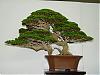
Tavsiye: Mugo türlerinde eski büyümenin olduğu dallarda içe doğru budama yapmak mümkündür. Tabii içe doğru bazı mumlar ve eski iğneler olmalıdır. ( Bu onları saklamamızın nedeni ! ) Bu olgun bir bonsaide kış sonu ilk bahar başı gibi yapılabilir. Ya da daha önce belirttiğim gibi, mumların büyüyüp açıldığı yaz başı yaz ortası gibi yapılabilir. Bu işlem bazen harika sonuç verir. ( Üst resim )

( ç.n: Yanlış çevirmişsem düzeltiniz. Aslı budur: Tip: On Mugo or Mugo varieties it is possible to cut back in to branches there is old growth, as long as there are some candles further down the branch left on it, and off course old needles (that’s why we leave them on the branch)! This can be(done in late Winter or early Spring on more mature bonsai, or as I mentioned before: after the candles have grown open in early/mid Summer. The results are sometimes amazing!(see picture above) )

Çam gübreleme

Ağaç gübreleme çok kişisel bir iştir, burada yazılansa benim kendi ağaçlarıma uyguladığım yöntemdir. Özellikle gübrelemede, bonsainizin gübreyi ne zaman, ne kadar ve nasıl verdiğinizde nasıl cevap verdiğini gözlemleyin.

Besin döngüsüne ilkbaharda çok hafif, su yosunu bazlı bir yaprak gübresi (foliar fertilizer ) ile başlıyorum. Hava sıcaklığı biraz daha artınca, suda çözünebilen sıvı bir gübre veriyorum. Katı gübre toprak sıcaklığı 17 derecenin altındayken işe yaramaz ama, sıvı gübre, ağacın sistemine daha düşük sıcaklıklarda bile girebilir. Hava sıcaklığı uzun bir süre yeterli sıcaklıkta giderse, ve tomurcuklar güçlü bir şekilde büyümeye başlarsa suda çözünebilen ‘ super bio gold ‘ gübre veriyorum. Mumların büyümesi sırasında her zaman gübre vermem. Eğer ağaç çalışmanın erken dönemlerindeyse ve büyümeye ihtiyacı varsa, ya da büyüme döneminde ağacın eski gelişim bölgelerine doğru bir budama yapmayı düşünüyorsam ( if i plan to cut back into old growth) gübre veririm.

Yaz başında mum kesiminden sonra organik gübre veririm. Yazın en sıcak döneminde gübre vermiyorum, yaz sonunda çamların ikinci büyüme atılımında tekrar başlıyorum. Bu dönemde özellikle kökler çok büyüyecektir. Bu aynı zamanda çamlarda söküm ve saksı değişimi için neden iyi bir dönem olduğunun da açıklamasıdır. Sadece birkaç hafta güçlü güneş ışığından, ve kış boyunca dondan korunmalıdır.
Sonbahar boyunca 2-3 kere azotsuz gübre ile gübreliyorum. ( PK gübre )

Tavsiye : Çamlarınızda ‘superthrive’ ( thrive = büyümek, serpilmek ) kullanmayın, bu çamların yaşamı için gerek duyduğu mikroorganizmalara zarar verecektir.


Çamlarda saksı değiştirme


Saksı değişimi için zamanlama: Bu yazıyı yazdığım zaman kadar, çamlarımı hep ilkbahar sonu/ yaz başında tomurcukların belirgin bir şekilde kabardığı ve ciddi bir gece donu olma ihtimalinin kalmadığı zamanda yapıyordum. Bu zamanlama şu ana kadar benim açımdan işe yaradı, ama şu sıralar, yıllık kök büyüme döneminin başlama zamanından önce Temmuz/ Ağustos aylarında saksı değiştirmenin daha güvenli olduğuna daha çok ikna olmaya başladım . Ağaç en kuvvetli dönemindedir ve uzun sürecek olan saksı değişimi stresini daha çabuk üstünden atacaktır. En iyi bir şekilde iyileşme sağlanması için sıcaklıklar doğru seviyelerdedir. Şimdi rutin düzenimi bu yönde değiştirip ne olacağına bakacağım. Tabi sonuçları da bu yazıya ilave edeceğim.
Ne budanmalı? Kök budamasında dikkatli olun. Uzun ve şişman kökler yararsızdır ve besleyici köklerin çıktığı ( sarı/beyaz sürgünlü -ç.n: tipped = uzantılı, sürgünlü ) yere kadar budanmalıdırlar. Bu, ağacın enerjisini yeniden yönlendirmesini sağlayacak ve ağaç yeni besleyici kökler çıkaracaktır, tıpkı bir dalı budadığınızda yeni dalcıkların çıkması gibi. Mümkün olduğunca çok besleyici kökü korumaya ( kesmemeye ) çalışın. Büyük kökler birkaç saksı değişiminde kesilmelidir ki, kalın kökler, besleyici kökler geliştirebilsinler. Böylece bir dahaki saksı değişiminde kökü daha da geriden budayabilirsiniz. Sonunda sadece besleyici köklerden oluşan yoğun bir kök sistemi ortaya çıkacaktır.
Sökümden **** fidanlıkta dikildiği topraktan kalan eski toprak, ilk saksı değişimde mümkün olduğunca uzaklaştırılmalıdır. Özellikle dağ toprağı bir taş kadar sert olabilmektedir, ne suyu geçirir ne de köklerin gelişmesine izin verir.
Saksı değişiminin sıklığı: Hiçbir çamda çok sık saksı değiştirmeyin, hiçbir çam saksı değişimi meraklısı değildir. Eğer çam güzel bir toprağa dikilmişse 3 yılda bir yeterinden fazladır. Eğer ağaç bitmiş bir bonsai ise 5 yılda bir daha iyidir. Şunu aklınızda tutun, çamlarda her saksı değiştirmede onu gençleştirirsiniz ve bu ( iyileşme döneminden sonra ) çok miktarda kök gelişimi ve bunu takiben yeni mumların yine güçlü ve düzensiz büyümesine neden olur. Böylece ağacın dengesini sağlama döngüsü yeniden başlamış olur. Bu özellikle ağacınızı en güzel haliyle sergilemeyi düşündüğünüzde dikkate alınması gereken bir durumdur. ( Ağacın her tarafında iyi dengelenmiş küçük iğneler, ve olgun bir görüntü veren toprak örtüsü )

Mikoriza aşılama: Her zaman eski toprağınızdan yeni karışıma bir ölçek karıştırın. Bu eski toprak çam için yaşamsal önemi olan mikoriza mantarları ile doludur. Şunu unutmayın, eğer bu işlemi yapmazsanız , yeni taze toprakta çamınızın mutlu olacağı miktarda mikoriza oluşana kadar 2 yıl geçmesi gerekebilir.

Saksı değişiminden sonra sulama: Aklınızda bulunsun, yeni saksı değiştirmiş bir çam ağacı, daha az su kullanır. Yani yine cömertçe sulamaya başlamadan önce bir süre kuru kalmasına izin verin.
Ağaca su püskürtülmesi ( misting = buğu, sis yapmak, su spreyi anlamında) iyileşmeye yardımcı olacaktır.
Gübrelemeyi ağacın iyileştiğini ve büyüme belirtileri gösterdiğini gördüğünüzde yapabilirsiniz.

vyssera Çevrimdışı   Alıntı Yaparak Cevapla Başa Dön
Eski 23-01-2008, 15:26   #8
Ağaç Dostu.
 
tourkana's Avatar
 
Giriş Tarihi: 26-11-2006
Şehir: İstanbul
Mesajlar: 2,494
Galeri: 21
Türk Bonsai Camiası senin bu emeğinin önünde saygı ile eğilecek dostum ....

tourkana Çevrimdışı   Alıntı Yaparak Cevapla Başa Dön
Eski 31-01-2008, 08:50   #9
Ağaç Dostu
 
msgurkan's Avatar
 
Giriş Tarihi: 24-03-2007
Şehir: lefkoşa KKTC
Mesajlar: 640
Galeri: 1
Emre Bey, Sunduğun bütün çalışmalarınla ufkumuzu genişletiyorsun. Her çalışmanı ve çevrilerini titizlikle izliyoruz. Sana ne kadar teşekkür etsek azdır.

msgurkan Çevrimdışı   Alıntı Yaparak Cevapla Başa Dön
Eski 31-01-2008, 09:17   #10
Ağaç Dostu
 
vyssera's Avatar
 
Giriş Tarihi: 12-02-2007
Şehir: Trabzon
Mesajlar: 1,802
Galeri: 69
Sağolun Msgurkan bey, faydalı olabildiysem ne mutlu bana, paylaşmak güzel. Tourkana,size de linki artaştırıp bulduğunuz için teşekkürler


Düzenleyen vyssera : 31-01-2008 saat 15:07
vyssera Çevrimdışı   Alıntı Yaparak Cevapla Başa Dön
Eski 31-01-2008, 16:15   #11
Ağaç Dostu.
 
tourkana's Avatar
 
Giriş Tarihi: 26-11-2006
Şehir: İstanbul
Mesajlar: 2,494
Galeri: 21
Yetkili arkadaşlar bu konuyu tek bir başlıkta görmemizi sağlarlarsa çok büyük kolaylık olacak ...

tourkana Çevrimdışı   Alıntı Yaparak Cevapla Başa Dön
Eski 31-01-2008, 19:19   #12
Ağaç Dostu
 
bonsaisever's Avatar
 
Giriş Tarihi: 13-08-2005
Şehir: İstanbul
Mesajlar: 3,775
Galeri: 48
Yazının tamamı burada.
Teşekkürler

Bonsai konusunda yeni bir çeviri grubu oluşturmak gerekiyor.

bonsaisever Çevrimdışı   Alıntı Yaparak Cevapla Başa Dön
Eski 02-03-2008, 16:53   #13
Ağaçsever
 
barakuda33's Avatar
 
Giriş Tarihi: 23-01-2008
Şehir: istanbul
Mesajlar: 72
Galeri: 2
Arkadaşlar bende;tunca ingilizce web sayfaları türkçeye çevirmek için bir program var.Bunu sizle paylaşmak istiyorum fakat bu nasıl gönderebilirim? Sizlere nasıl ulaştırabilirim ?İşte bunu bilmiyorum.Anlayan bir arkadaş yardım ederse sevinirim.Program harika ,kuruyosunuz aynı interner explorer gibi bi pencere acıyor size arayacagınız sayfayı burdan arıyosunuz.Tıpkı internette nasıl bir adres yazıp enter deyince sayfa karşınıza geliyor,işte bunun gibi.Sonra o ingilizce site açılıyor.Sayfanın yukarısında çevir diye bir tuş var basınca sayfa türkçe oluyor.Cümleler bazen düşük **** devrik oluyor ama,verimli bir şekilde ne demek istediklerini anlıyosunuz.İşte böyle bu programı sizlere nasıl ulaştırırım.Lütfen bir yardım

barakuda33 Çevrimdışı   Alıntı Yaparak Cevapla Başa Dön
Eski 02-03-2008, 16:57   #14
Ağaç Dostu
 
Penelophe's Avatar
 
Giriş Tarihi: 30-04-2007
Şehir: Medemblik
Mesajlar: 5,468
Galeri: 373
Rapidshare gibi bir yere yükleseniz de indirsek **** tam adını yazsanız da nette bir aratsak.

Penelophe Çevrimdışı   Alıntı Yaparak Cevapla Başa Dön
Eski 02-03-2008, 21:28   #15
Ağaçsever
 
barakuda33's Avatar
 
Giriş Tarihi: 23-01-2008
Şehir: istanbul
Mesajlar: 72
Galeri: 2
arkadaşlar link'i veriyorum.İşallah işinize yarar.

http://rapidshare.com/files/96542503...gram_.rar.html

barakuda33 Çevrimdışı   Alıntı Yaparak Cevapla Başa Dön
Eski 02-03-2008, 21:45   #16
Ağaçsever
 
barakuda33's Avatar
 
Giriş Tarihi: 23-01-2008
Şehir: istanbul
Mesajlar: 72
Galeri: 2
Arkadaşlar ikinci link'i deneyin ilkkinde hata veriyor

http://rapidshare.com/files/96547655...gram_.rar.html

barakuda33 Çevrimdışı   Alıntı Yaparak Cevapla Başa Dön
Eski 07-06-2008, 11:25   #17
agaclar.net
 
malina's Avatar
 
Giriş Tarihi: 03-04-2004
Şehir: İstanbul
Mesajlar: 37,245
Galeri: 88
hkndal, bu çeviriyi forumda ilgili başlık varsa oraya ekler misiniz?

malina Çevrimdışı   Alıntı Yaparak Cevapla Başa Dön
Eski 31-07-2011, 22:13   #18
Yeni Üye
 
Giriş Tarihi: 31-07-2011
Şehir: izmir
Mesajlar: 2
selamlar.Konu Baya Bi eski kalmış fakat herhangi bir konuda japonca veya ingilizce metin çevirisinde yardımcı olabilirim

alperakis Çevrimdışı   Alıntı Yaparak Cevapla Başa Dön
Eski 19-08-2011, 16:47   #19
Ağaç Dostu
 
Emre Kuzu's Avatar
 
Giriş Tarihi: 14-09-2009
Şehir: Afyonkarahisar
Mesajlar: 1,366
Galeri: 10
Merhaba altta bana yazılan bir metin var çevirebilen çevirirse sevinirim.

Hi, these plants are summer growers, we keep ours dry from November to March, and water when growing from April to October. Our plants are very happy grown this way.

Emre Kuzu Çevrimdışı   Alıntı Yaparak Cevapla Başa Dön
Eski 19-08-2011, 17:27   #20
Kaybettik, Allah rahmet eylesin
 
memet's Avatar
 
Giriş Tarihi: 18-02-2006
Şehir: İzmir
Mesajlar: 13,948
Galeri: 11
Yazın gelişiyor. kasımdan marta kadar toprağı kuru tutuyoruz. Nisanda gelişmeye başlayınca sulamaya başlıyoruz. Bu yolla bitkilerimiz çok mutlu.

Adeniumla mı ilgili bu.

memet Çevrimdışı   Alıntı Yaparak Cevapla Başa Dön
Eski 19-08-2011, 23:58   #21
Ağaç Dostu
 
Emre Kuzu's Avatar
 
Giriş Tarihi: 14-09-2009
Şehir: Afyonkarahisar
Mesajlar: 1,366
Galeri: 10
Adenium'a benzer bir bitkiyle ilgili. Birkaç gün önce yaban üzümü diye adlandırılan namibyada yetişen bir sukulentin tohumunu aldım. Tohumun hangi yarımküre iklimine uyumlu olduğunu sormuştum buda gelen cevap. Ki cevaba bakılırsa ingilterede yetiştirilmiş olmalı yoksa bu bitki doğal bulunduğu yerde güney yarım küre iklimine sahip. Şişman bitkiler bu bitki gibi bonsaiye çok uygun oluyor.
Cyphostemma juttae; 2,5 metre boy 80 cm. kalınlığa ulaşıyor. Yavaş gelişiyor. Olgun bitkiler eksi 1 derece kadar soğuğa dayanıklı ama genç bireyler 10 derece altına düşen sıcaklıktan korunmalı. Tam güneş az su istiyor. Yetiştiği ortam çok kurak bir ortam. Gövdesinin beyaz rengi yakıcı güneşi yansıtması için. Bodur toplu bir form isteniyorsa budanmalıdır.

Eklenen Resimler
Dosya Türü: jpg cyphome.jpg (71.7 KB, 101 views)
Dosya Türü: jpg Cyphostemma.jpg (42.0 KB, 102 views)
Dosya Türü: jpg CyphoJuttae04.jpg (68.3 KB, 101 views)
Muda beğendi.

Düzenleyen Emre Kuzu : 19-08-2011 saat 23:59 Neden: ekleme.
Emre Kuzu Çevrimdışı   Alıntı Yaparak Cevapla Başa Dön
Eski 19-08-2011, 23:59   #22
Ağaç Dostu
 
Emre Kuzu's Avatar
 
Giriş Tarihi: 14-09-2009
Şehir: Afyonkarahisar
Mesajlar: 1,366
Galeri: 10
İlginç olanı ise bu bitki üzümgillerden.

Emre Kuzu Çevrimdışı   Alıntı Yaparak Cevapla Başa Dön
Eski 23-07-2013, 11:33   #23
Ağaç Dostu
 
Charlaux's Avatar
 
Giriş Tarihi: 13-06-2011
Şehir: Istanbul / Columbus, Ohio (ABD)
Mesajlar: 1,260
Biberlerden bonsai elde etmekle alakali ilginc bir makale,bol bol bonchi (Anladigim kadariyla yazarin chili bonsailere uygun buldugu addir ) resimleri de mevcut Fatalii's Growing Guide

dusunenadam beğendi.
Charlaux Çevrimdışı   Alıntı Yaparak Cevapla Başa Dön
Eski 25-03-2016, 19:55   #24
Yeni Üye
 
Giriş Tarihi: 29-06-2015
Şehir: istanbul
Mesajlar: 2
arkadaşlar sizden bir ricam var. elinizde bonsai ile ilgili döküman vs. varsa e-mail adresime gönderebilir misiniz acaba. t1_Vural@hotmail.com teşekkürler.

alturbane Çevrimdışı   Alıntı Yaparak Cevapla Başa Dön
Eski 28-01-2006, 13:09   #25
Ağaç Dostu
 
Giriş Tarihi: 25-07-2004
Şehir: Adana
Mesajlar: 3,563
Galeri: 270
Acer Palmatum (Japon Akçaağacı) Çimlendirmesi

backyard Çevrimdışı   Alıntı Yaparak Cevapla Başa Dön
Eski 03-08-2006, 00:04   #26
işte burdayım
 
Giriş Tarihi: 01-08-2006
Şehir: zonguldak'a bağlı yeşillikler arasında SALTUKOVA adında bir ova
Mesajlar: 5
bende ingilizce öğretmenliği okuyorum gerekirse çevirilerde yardımcı olabilirim e-mail: ibrahimarslan67@gmail.com

acridrobin Çevrimdışı   Alıntı Yaparak Cevapla Başa Dön
Eski 03-08-2006, 15:32   #27
Yeni Üye
 
dagdelen48's Avatar
 
Giriş Tarihi: 27-07-2006
Şehir: muğla dersem anlaşılır nasıl birde yaşadığım
Mesajlar: 7
Alıntı:
CHARACTERISTICS:

Hoya's are great hanging plants. They have thick waxy leaves, which can store water. It is best to let these plants get dry between watering. The foliage will wrinkle if not enough water and if too much, light brown spots and or whole thick yellow leaves will occur. If dry pieces of vine appear this is often due to not enough water cut it back to soft foliage or top of soil where ever it ends. Once they become root bound they will bloom and grow constantly. In some cases this can take two years. Blooms are really neat; they are clusters of stars. They will continue to bloom from the same areas (spur) so when the flowers die off don't remove the part they came out of if you want lots of flowers. They will continue to Bloom if they get good sunlight for most of spring and summer. I have plants that have over ten bloom clusters at once. Their new growth can be deceiving when it first comes out, because it first appears as a leafless vine. The leaves slowly come out from the vine so be patient. You can take cuttings from these plants, if you are trying to root them with out rooting hormone then try it in the spring. Take cutting 3-4" long and give them sunlight; it can take several months. When these plants are growing feed once a month.

dagdelen48 çevirisi

hoya büyük sarkık bitkilerdir.bu bitkilerin suyu saklıyabilen kalınb yapışkan yaprakları vardır.En iyisi bu bitkileri suyun içinde kuru kalmalarına müsade etmektir.Su yeterlideğilse yapraklar buruşacak,çok fazlaysa hafif kahverengi benekler veya tamamen sarı kalın yapraklar olusacakdır.Bitkilerin kuru kısımları görülürse bu suyun yetersiz olmasından dolayı,onu tekrar yumuşak yapraklara veya bitkinin toprağın üstünde kalan kısmının bittiği her yere keser.

Bir kere onlar kök ucu olur,çiçek acar ve devamlı büyür.Bazı durumlarda bu iki yıl sürebilir çiçekler gerçekten harika;onlar yıldız demeti . Onlar aynı kısımlardan çiçek açmaya devam edecek dolayısıyla daha çok çiçek istiyorsan çiçekler birer birer öldüğü zaman bitkinin dıştaki kısımlarını hareket ettirme.Bahar ve yaz mevsiminin büyük kısmında iyi güneş ışığı alırlarsa çiçek açmaya devam edecekler. Üzerinde çiçek demetine sahip olabilirler.Yen i mahsülleri ilk cıktığında aldatıcı olabilir,çünkü o ilk kez yapraksız bir bitki olarak gözükür.Yapraklar yavaşça bitkiden çıkar dolayısıyla sabırlı olmak gerekir.

Kökleşme hormonu olmadan kökleştirmeye çalşıyorsanız bu bitkilerden aşı alabilirsiniz bunu baharda yapın 3-4 (cm veya inç )uzunlugunda aşı alın ve onlara güneş ışıgı verin bu aylar alabilir bu bitkiler ayda bir meyve verir.


Diğer çeviriyi de buraya ekliyorum (malina)

Alıntı:
ibuprofen çevirisi:

Mum çiçeğinin kendine has özellikleri
Mum çiçekleri mükemmel sarılıcı, asılıcı, yapışan bitkilerdir. Su depo edebilen kalın balmumsu yapraklara sahiptirler. Bu bitkiler için en iyisi sulamalar arasında dibinin kuru olmasını sağlamaktır. Yapraklar az sulama ya da suyu fazla kaçırma durumunda kırışıklık gösterecek, yapraklarda açık kahverengi lekeler oluşacak ve tamamen sarı yapraklar olacaktır. Eğer bitkinin kuru asma çubuğu haline döndüğünü görürseniz bu muhtemelen yetersiz sulamadandır, bu durumda taze yeşil kısma kadar ya da kuru kısmın sonuna kadar kesin.


Bitkinin gerçekten zarif yıldız demeti şeklinde çiçekleri vardır. Çiçekler kuruyup öldükleri yerden açmaya devam edeceklerdir, bu yüzden birsürü çiçeğiniz olsun istiyorsanız çiçeğin kuruduğu bölgeleri temizlemeyin. Bendeki çiçekler tek açışta 10 demet veriyor. İlk sürgünleri verirken büyümesi aldatıcı olabilir çünkü ilk başlarda yapraksız bir asma çubuğunu andırır. Yapraklar çubuktan yavaş yavaş çıkar bu yüzden sabır gösterin.

Eğer bitkiyi çeliklemek istiyorsanız bitkiyi budayabilirsiniz ve çillendirme ilaçlarıyla baharda çillendirmeye çalışabilirsiniz. 7.5 - 10 cm uzunluğunda kesimler yapıp güneş ışığına bırakın, çillenmesi aylar sürebilir. Mumçiçeklerini ayda bir kere gübrelemelisiniz.


Düzenleyen malina : 04-08-2006 saat 17:12 Neden: ingilizce metinleri mutlaka çevirinizin yanına koymalısınız...
dagdelen48 Çevrimdışı   Alıntı Yaparak Cevapla Başa Dön
Eski 04-08-2006, 10:47   #28
Ağaç Dostu
 
bonsaisever's Avatar
 
Giriş Tarihi: 13-08-2005
Şehir: İstanbul
Mesajlar: 3,775
Galeri: 48
Çevirmek istediklerinizi aşağıda belirtirseniz aynı konuyu iki kişi çevirmemiş olur

Şimdiden teşekkürler
http://www.bonsaisite.com/mainten1.html
1. çevrildi (ibuprofen)
Alıntı:
What and when do I feed my bonsai?
To keep your bonsai in good shape and to maintain healthy growth requires regular feeding at the right time of year with the correct fertilizer. Fertilizer must be continually replenished due to a certain amount being washed out each time the plant is watered.

You can get many different types of fertilizers, in a variety of forms. The most common is pellet-form (such as 'Osmocote'). This is a slow-release fertilizer which will take care of feeding requirements for several weeks at a time and is probably the type of fertilizer most used by bonsai enthusiasts. Soluble powder and liquid feeds are also used for rapid effect over short-term periods. These are applied to the soil with a watering can and are used up relatively quickly.

To understand exactly how your bonsai should be fertilized, you must be able to understand the basic make-up of fertilizers. Most fertilizers contain three basic elements: Nitrogen (N), Phosphorous (P) and Potassium (K).

Nitrogen is an essential ingredient for leaf and stem growth. Too much nitrogen however will make the tree produce long, stringy growth. Phosphorus encourages healthy root growth and helps the growth of new buds, whilst also protecting against disease and unfavorable winter conditions. Potassium (potash) encourages the formation of flowers and fruit, and is vital in the fight against disease.

As a general rule, feed your bonsai from early spring to late summer. Use a balanced fertilizer with a fairly low nitrogen content year round, and one with as little (or no) nitrogen as possible in autumn to aid the tree (so the tree can retain its energy) through the winter.

Most commercial fertilizers contain all three main nutrients plus some trace elements. One type of fertilizer usually only obtainable from bonsai nurseries has an NPK (nitrogen, phosphorous, potassium) ratio of 0:10:10. This is an autumn feed (containing no nitrogen) which will harden off the current season's growth in readiness for the winter.

2. çevrildi (ibuprofen)
Alıntı:
When, how and why should I repot my bonsai?
Regular repotting of your bonsai to replace important nutrients, 'stale soil' and allow for new root growth is vital to your bonsai's health and growth. Generally, the trees should be repotted at a time when they are most dormant - such as late autumn to early spring, so that they are subjected to the least amount of stress possible. Young or small bonsai require repotting every two or three years, and older and larger specimens less often.

You can tell that a bonsai needs repotting if water takes a long time to drain through the soil or if the roots are crowding around the sides.

To repot, carefully lift the tree out of its current pot by tilting it to one side and trying to move it by the base of the trunk. You can not pull too hard on the trunk - so if this does not work, try tapping the pot with the side of your hand to loosen the rootball or poke a stick through the drainage holes and 'push' the rootball out. Next, using a chopstick, knitting needle, metal hook or similar, remove any moss or accent plants and carefully try to brush and untangle the roots. Start at the edge and gradually work around. Try to 'comb' and 'tug' rather than to 'pull' at the roots - for risk of damaging or tearing some very important main roots.

After this has been done - continue to shake and brush off the soil until about one third to half of the original soil has been removed from the edge and base of the rootball. It would now be a good idea to spray the roots with water to ensure that they do not dry out and so that they will not have too much soil on them when it comes time to pruning the roots.

To prune the roots, use very sharp cutters. There are bonsai root pruning scissors commercially available, however you could just use a normal pair of bonsai clippers or secateurs. If you have washed away most loose soil the scissors will stay sharp, but if they have to cut through soil as well as the roots - they will become blunt very quickly and require sharpening. Start by cutting the thick, old brown roots that have come close to the edge of the pot and are restricting the growth of the young 'feeder roots'. Remove a third to a half of these - being careful that you do not remove too many feeder roots in the process. Next, prune the thinner roots which hang below the depth of the pot by trimming them all into a suitable shape that the pot will accommodate. This should be a shape that fits comfortably into the pot with a 1-2 cm (1/2 to 3/4 in) space between the edges.

The demanding part of the repotting is now over - if you think that you've cut too many feeder roots off, the tree will be disadvantaged but you probably will get away with it - as new roots will grow from the cuts.

Clean the original pot thoroughly or select a new pot that is more suited to the tree and cover the drainage holes with simple wire mesh. As the plant will now be unstable in the new pot as it has nothing to anchor it - we have to make some anchors to prevent the tree from falling over from winds or from being moved. Thread some wire (doesn't need to be very thick) through the drainage holes or specially designed holes for anchoring and leave for later use. Add a thin layer of gravel to aid drainage and then a layer of soil. Moving the tree around, decide a basic position for it (usually off-center and slightly to the back of the pot) and make a small mound that it will sit on.

Now you can place your bonsai on the mound by gently nestling it in and spreading its roots out evenly throughout on top of the soil. Once you are happy with the height and position of your tree (it is going to stay like that for 1-2 years), take the wires that you threaded and twist them together (usually with the aid of pliers) over the main rootball of the tree until it is held firmly (but not too tight) and will not rock. Because these wires are quite unsightly, you can remove them in a few months time once the tree has settled in.

Add more soil up to the base of the trunk - which should be just below the base of the pot. Tap the side of the pot with your hand to ensure that the soil becomes settled and that there are no gaps around the roots. Use your chopstick to incorporate the roots into the soil and to make sure that they are placed correctly.

Once the soil has been applied, you now have the option to add supplementary features such as rocks, moss, accent plants or gravel to enhance the design. When applying moss - be careful that most of the original soil is cut off from the bottom before you plant it and that the moss (or any other plant for that matter) is not too big or vigourous for the pot or tree.

Now you can thoroughly water the tree - being aware that the soil level may settle further and that more soil may have to be added. Place the tree in a position where it will not receive extremes in temperature (i.e. not direct sun) and where it will be able to recuperate. Don't fertilize at this time - as this can burn or cause stress to the plant. You can feed in around a month though, when the roots have recovered.

Note that to balance out the extensive pruning you have just done on the roots, you should prune the branches of the bonsai as well so that it can recover quicker and not be disadvantaged further. Root growth usually does equal branch growth.
3. çevrildi (ibuprofen)
Alıntı:
What techniques can I use to wire my bonsai? Is it really necessary?
Not all plants need wiring to achieve their desired shape or to achieve official 'bonsai' status. The Fukien Tea plant for example, can be trained quite easily without the use of wire. Contrary to what many novices may think, wiring of a bonsai is not done to keep the plant small, but rather is a temporary measure used to hold branches in a desired position in order to enhance the shape of a tree. Wire should not be left permanently on a tree and should be checked regularly.

When wiring, try to imitate the natural curves of trees in nature. Make sure that you only attempt to wire branches that are unlikely to break when pressure used to twist the wire around the branch is applied. There are two types of bonsai wire available - copper wire and aluminium wire. Although easy to obtain, less expensive and naturally a better colour than uncoloured aluminium wire (silver) - it is much harder to apply to branches, especially for beginners, and if applied incorrectly - which is easy to do, could ruin your most prized bonsai. Undoubtedly, the better wire is aluminium wire which is usually coloured to look just like copper wire and is available at any bonsai nursery. It is much more maleable than copper wire and generally has the same effect. The size of wire used depends on the size of branch you want to train and in most part should be chosen yourself - also dependent on how significantly you want to change the shape of a branch and how stubborn the species of plant is. You should purchase wire in a variety of different lengths and test it out on pruned branches from around the garden. You can always remove the wire (very carefully if on a bonsai), flatten it out and use it again. For pencil-thick sized branches I recommend a gauge 3.5mm aluminium wire. The lowest gauge I recommend you use is 2.0mm.

The safest method to use when wiring is by clenching the branch with both hands (not dissimilar to the look of a clamp) and applying the wire by slowly following it around the branch - making sure it does not damage the trunk. Wire the branch first, and then worry about bending the branch (which is made possible by the wire and using the clamp method) to achieve your desired shape. Be careful of leaves or if in autumn, leaf buds. It is always best to anchor the wire so it does actually re-train the branch. This can be done by digging it into the soil and training the wire up the trunk until it reaches the desired branch, or by anchoring it to another branch. Sometimes, when it is too hard to use large gauge wire in order to train a large branch or trunk, or you don't have the right gauge of wire, you can 'double up' the wiring and wire the branch twice.

It is best to not water a day before wiring, and to keep the tree in shade for two weeks after wiring. Check every few weeks for wire cutting into the bark of the bonsai - particularly during spring and summer, or risk the danger of irrepairible scars. It can take many, many years for wire damage to grow out - depending on how serious it is. Deciduous trees are particularly susceptible to wire damage due to large growth spurts in the growing season.

4. çevrildi (ibuprofen)
Alıntı:
Bonsai Tree Repotting and Root Pruning

It is necessary to repot bonsai trees to ensure that they remain healthy and continue to grow well. Well developed fibrous roots are essential for balanced, even growth and these are produced by root pruning. With a compact root system, full of fine, fibrous roots, the bonsai will be able to take up the nutrients which are essential for its well being. It is a misconception that root pruning is responsible for the dwarfing of bonsai trees, as this is achieved by branch pruning techniques.

The frequency that a bonsai needs to be repotted depends on species, age, size and how well the tree has been growing. Trees that are either young, vigorous or very small are normally repotted every year. Older, established bonsai may only need to be repotted once in five years, or longer. Also, deciduous trees require repotting more frequently than conifers. If you are unsure whether your bonsai requires root pruning, carefully remove the tree from its the pot (when dormant) and examine the roots to see if it is pot bound. The ideal time of the year for root pruning and repotting is late winter and early spring, just before or as soon as buds start to swell.

1. First, if necessary, take time to trim the tree, tidying up any long and unwanted growth. Before repotting, it is wise to have kept the tree under cover for several weeks so that the soil is fairly dry. It is much easier and more pleasant for both you and the bonsai to repot when the soil is not soggy!

Bonsai trees are normally secured in the pot by wire, and if this is the case, the wire should be cut from underneath the pot. With a pot that curves inwards it may be necessary to use a sharp knife to cut around the edge of the root ball. This will enable the tree to be easily removed from the pot.

2. If the tree has started to become pot bound, with long roots growing around the edges of the pot, then it is time for repotting. Try to avoid allowing trees to remain pot bound for several years. This can severely weaken the tree, as its capability to obtain nutrients will be reduced and water will find it difficult to penetrate the soil.

If there is still space for the roots to grow, carefully return the tree to its pot and examine again next year.

3. Remove the surface of the soil with a scrubbing brush - nylon bristled brushes are ideal for this. Brush firmly, radiating outwards from the trunk, but take care not to damage the roots. This simple action can improve the arrangement of the surface roots and excellent results can be achieved over a period of a few years. Convincing and interesting surface roots are highly desirable as they make the bonsai look more stable, realistic and natural.

4. Use an old toothbrush to remove soil and moss from areas close to the trunk. Spend time carefully exposing surface roots. You may notice a root that is ugly and unnecessary and this should be removed, providing that there are sufficient roots nearby to support that area of the tree. Reposition roots where necessary, using wire pegs to hold them in place. When carrying out the repotting procedure a large tray is useful to prevent the surrounding area becoming untidy.

5. To prepare the roots for pruning, use a bonsai fork to comb all soil and grit from the outermost roots. Standing the tree on a box or an upturned pot can make this process easier.

Comb out roots from underneath the mass, after first removing any old mesh or wire. The result should be that the roots will now hang freely, ready for pruning.

6. Sharp scissors are essential so that the roots are cut cleanly and not squashed. Prune about one third of the roots and certainly no more than one half.

7. Cut several small wedges around the root base where possible. This enables fresh soil to be introduced into the heart of the root ball, helping to keep it healthy.

8. After first cleaning the pot, cover the drainage holes with plastic mesh and secure with wire loops. Prepare long wires for securing the tree and thread these through suitable holes in the bottom of the pot. Add a layer of grit for drainage at the bottom of the pot - the amount to use will vary depending on the depth of the pot.

9. The standard bonsai mix that I prefer consists of equal parts grit, Japanese Akadama clay and a peat based compost. A large sieve should be used to remove any lumps in the peat and a finer sieve is used for the Akadama, which contains a certain amount of undesirable dust. If the tree is growing well and in good health, add a small amount of slow release fertiliser granules to the mix. These will gradually release nutrients into the soil for about six months, as the temperature begins to rise and should be used in addition to other feeds applied during the growing season.

10. Take time positioning the tree in the pot - any mistake at this stage will have to wait until next year to be rectified! Secure with the wire ties so that the tree sits firmly in the pot. Movement whilst the new roots develop can be very damaging and strong winds can blow a bonsai tree out of its pot when it is newly repotted.

11. Use a chopstick to push the soil into awkward places, ensuring that no air pockets are present. Tapping the pot also helps.

Top dress with Japanese Akadama clay. This has the advantage of being both attractive and also a useful dryness indicator, changing to a much lighter colour as the soil begins to dry out.

12. Finally thoroughly water the tree and position out of the wind. Protect from hard frosts and wait for the buds to open!


Düzenleyen malina : 06-08-2006 saat 20:17
bonsaisever Çevrimdışı   Alıntı Yaparak Cevapla Başa Dön
Eski 04-08-2006, 14:21   #29
agaclar.net
 
malina's Avatar
 
Giriş Tarihi: 03-04-2004
Şehir: İstanbul
Mesajlar: 37,245
Galeri: 88
Önemli not: Çeviriler son kez backyard tarafından onaylanmadan kesinlik kazanmaz.

Bu yüzden yaşayacağınız sorunların sorumlulukları size aittir.

malina Çevrimdışı   Alıntı Yaparak Cevapla Başa Dön
Eski 04-08-2006, 14:57   #30
Ağaç Dostu
 
Giriş Tarihi: 18-06-2006
Şehir: Kayseri
Mesajlar: 116
1.

1. kontrol edildi-backy

Alıntı:
What and when do I feed my bonsai?
To keep your bonsai in good shape and to maintain healthy growth requires regular feeding at the right time of year with the correct fertilizer. Fertilizer must be continually replenished due to a certain amount being washed out each time the plant is watered.

You can get many different types of fertilizers, in a variety of forms. The most common is pellet-form (such as 'Osmocote'). This is a slow-release fertilizer which will take care of feeding requirements for several weeks at a time and is probably the type of fertilizer most used by bonsai enthusiasts. Soluble powder and liquid feeds are also used for rapid effect over short-term periods. These are applied to the soil with a watering can and are used up relatively quickly.

To understand exactly how your bonsai should be fertilized, you must be able to understand the basic make-up of fertilizers. Most fertilizers contain three basic elements: Nitrogen (N), Phosphorous (P) and Potassium (K).

Nitrogen is an essential ingredient for leaf and stem growth. Too much nitrogen however will make the tree produce long, stringy growth. Phosphorus encourages healthy root growth and helps the growth of new buds, whilst also protecting against disease and unfavorable winter conditions. Potassium (potash) encourages the formation of flowers and fruit, and is vital in the fight against disease.

As a general rule, feed your bonsai from early spring to late summer. Use a balanced fertilizer with a fairly low nitrogen content year round, and one with as little (or no) nitrogen as possible in autumn to aid the tree (so the tree can retain its energy) through the winter.

Most commercial fertilizers contain all three main nutrients plus some trace elements. One type of fertilizer usually only obtainable from bonsai nurseries has an NPK (nitrogen, phosphorous, potassium) ratio of 0:10:10. This is an autumn feed (containing no nitrogen) which will harden off the current season's growth in readiness for the winter.
Bonsaimi ne zaman ve nasıl gübrelemeliyim?
Bonsainizin iyi bir şekilde kalması ve sağlıklı gelişiminin devam etmesi için yılın doğru zamanında ve doğru gübre ile düzenli gübrelemek gerekir. Gübre bitkinin her sulanmasında yıkanarak kaybolan belli bir miktar yüzünden sürekli tekrar koyulmalıdır.

Değişik çeşitlerde farklı gübreler elde edebilirsiniz. En yaygın olan topak şeklinde olanıdır (“osmocote” gibi). Bu aynı zamanda gübreleme gereksinimlerini haftalar boyunca karşılayabilen ve de bonsai sevenler tarafından en yaygın kullanılan yavaş salınımlı bir gübredir. Çözünebilir pudralar ve sıvı gübreler de ayrıca kısa zamanda hızlı etki için kullanılabilir. Bunlar sulama bardağı ile toprağa nüfuz ettirilirve nispeten hızlı bir şekilde kullanılır.

Tam olarak bozainizin nasıl gübrelenmesi gerektiğini anlamak için gübrelerin oluşumunu basit bir şekilde anlamalısınız. Çoğu gübre 3 temel elementi ihtiva eder: Azot(N), Fosfor(P) ve Potasyum(K).

Azot yaprak ve kök gelişimi için önemli bir bileşendir. Bununla birlikte aşırı azot uzun, sıska bir ağaç üretecektir. Fosfor sağlıklı kök gelişimini destekler ve bitkinin yeni filizler sürmesine yardım eder ayrıca bitkiyi hastalıklara ve kötü kış koşullarına karşı korur. Potasyum bitkinin çiçek ve meyvelerinin tertipini korur ve hastalıklarla baş etmede hayatidir.

Genel bir kaide olarak bonsainizi bahar başından yaz sonuna gübreleyin. Yıl boyunca oldukça az azot içeren dengeli bir gübre ve de sonbaharda bitkiye kışın destek olmak için (bitki enerjisini korusunu diye) mümkün olduğu kadar- ya da hiç- az azot içeren bir gübre kullanın.

Çoğu ticari gübre preparatları tüm bı 3 elemente ek olarak bazı eser elementleri de içerirler. Genellikle sadece bonsai fidanlıklarından elde edilebilen bir gübre çeşidi 0:10:10 NPK (Azot, Fosfor, Potasyum) oranına sahiptir. Bu bir güzün bitkiyi kışa karşı hazır olmak için kuvvetlendirecek bir sonbahar gübresidir (azot içermez).


Düzenleyen ibuprofen : 06-08-2006 saat 14:07
ibuprofen Çevrimdışı   Alıntı Yaparak Cevapla Başa Dön
Cevapla

Konu Araçları
Mod Seç

Gönderme Kuralları
Yeni konu gönderemezsiniz
Konulara yanıt veremezsiniz
Ek dosya yükleyemezsiniz
Kendi gönderilerinizi düzenleyemezsiniz

BB code Açık
Smilies Açık
[IMG] Kodu Açık
HTML Kodu Kapalı
Trackbacks are Açık
Pingbacks are Açık
Refbacks are Açık


Forum saati Türkiye saatine göredir. GMT +2. Şu an saat: 14:15.
(Türkiye için GMT +2 seçilmelidir.)


Forum vBulletin Version 3.8.5 Copyright ©2000 - 2026, Jelsoft Enterprises Ltd.
Search Engine Optimization by vBSEO 3.6.0
agaclar.net © 2004 - 2026